Ways to Help Avoid Clogging Drain and Sewer Lines
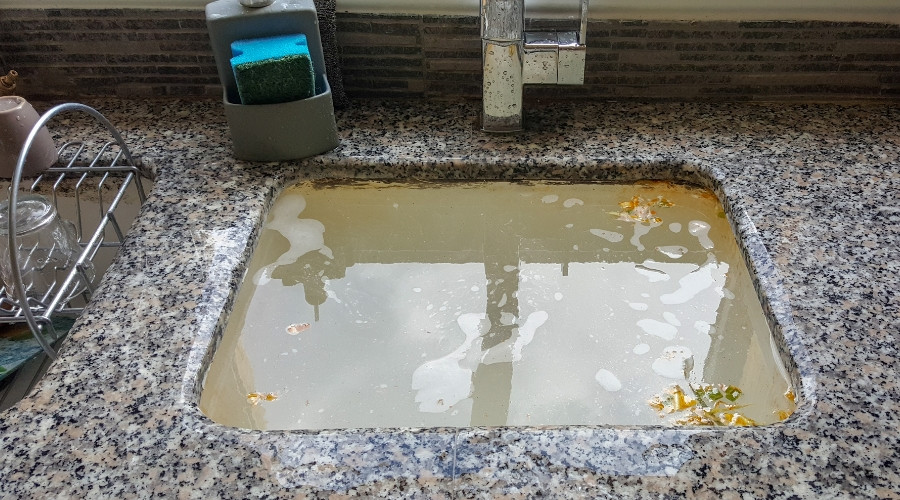
Clogged sewer lines and drain line clogs can lead to inconvenient, costly plumbing issues. By understanding common causes and implementing easy preventative tips, homeowners can keep their plumbing systems running smoothly and avoid unnecessary drain cleaning expenses.
Be Careful What Is Flushed
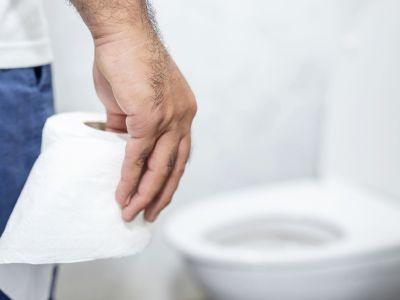 Taking care with what is flushed down toilets is a fundamental step in preventing sewer line clogs:
Flush Only Toilet Paper: Toilets are designed to handle only human waste and toilet paper. Flushing items like paper towels, wipes—even those labeled as “flushable”—feminine hygiene products, and other non-biodegradable materials can lead to significant clogging in drain lines and sewer lines. These items do not break down easily and can accumulate, resulting in a clogged sewer line that may require professional intervention.
Avoid Flushing Too Much Toilet Paper: Even toilet paper can be a problem if too much is flushed at once. Large amounts of toilet paper can clump together and form blockages in the drain line, particularly in older plumbing systems. To prevent this, use toilet paper sparingly or flush in multiple stages when necessary to ensure it flows smoothly without contributing to potential sewer line clogs.
Adopting mindful flushing habits reduces the risk of clogs and ensures the longevity of the home’s plumbing system.
Avoid Putting Food Waste Down the Kitchen Sink
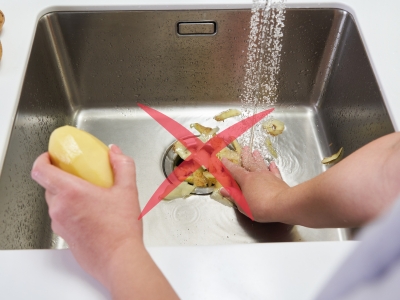 Proper disposal of food waste plays a crucial role in maintaining clear drain and sewer lines:
Keep Grease and Oil Out of Drains: Cooking grease and oil can solidify within pipes, leading to stubborn clogged drain lines. Instead of pouring these substances down the kitchen sink, collect grease in a container and discard it in the trash once cooled.
Avoid Coffee Grounds and Eggshells: Despite their small size, coffee grounds and eggshells do not break down easily and can cause substantial blockages in the system. It's best to dispose of these items with regular garbage to prevent clogging issues.
Be Mindful of Water-Retaining Foods: Foods such as rice and pasta expand with water and can contribute to blockages. Similarly, potato peels and fibrous vegetables can create a buildup that leads to a clogged drain line. Disposing of these items in the trash or compost rather than through the garbage disposal can prevent costly sewer line clogs.
Avoiding certain food waste down the drain line significantly reduces the likelihood of clogs and promotes a healthy plumbing system.
Use Drain Screens
Drain screens provide a simple and effective way to prevent clogs before they start:
Install Mesh Drain Screens: Placing mesh drain screens over sink, shower, and bathtub drains can catch food particles, hair, and other debris before they enter the plumbing system. This preventative measure is particularly effective in kitchens and bathrooms, where blocked pipes are most common.
Easy Disposal of Debris: By trapping potential clog-causing materials, drain screens allow homeowners to easily dispose of waste in the garbage, preventing it from entering the drain line and causing blockages. Regularly clearing these screens ensures optimal performance and maintains clear drains.
Investing in drain screens is a cost-effective strategy to proactively address the factors that typically lead to clogged sewer lines and drain line clogs. However, when faced with persistent issues, contacting a professional for drain cleaning can effectively address clogged sewer lines.
About Swick Home Services
Over the last four decades, Swick Home Services has provided friendly and professional plumbing and HVAC services. They offer 24/7 emergency support. Call now for drain cleaning services in Marquette, MI.